Buying a Historic Home in Old Louisville: What to Know
April 23, 2026
April 23, 2026
If you have ever fallen for an Old Louisville porch, stained-glass window, or towering Victorian facade, you already know the appeal of buying a historic home here. But charm is only part of the story. Before you make an offer, you need to understand how age, maintenance, and preservation rules can shape your costs and plans. Let’s dive in.
Old Louisville is one of Louisville’s most distinctive historic areas. The city describes it as a predominantly residential neighborhood just south of downtown, with the Oak Street commercial corridor and a mix of single-family homes, converted residences, condos, and apartments. It is also a locally designated preservation district, and many properties are part of the Old Louisville Residential District on the National Register.
Architecturally, this is a neighborhood with real range. The National Register nomination notes styles such as Italianate Villa, High Victorian Gothic, Queen Anne, Richardsonian Romanesque, Chateauesque, Renaissance Revival, and Colonial Revival. That means two homes on the same block can feel very different, even if both are historic.
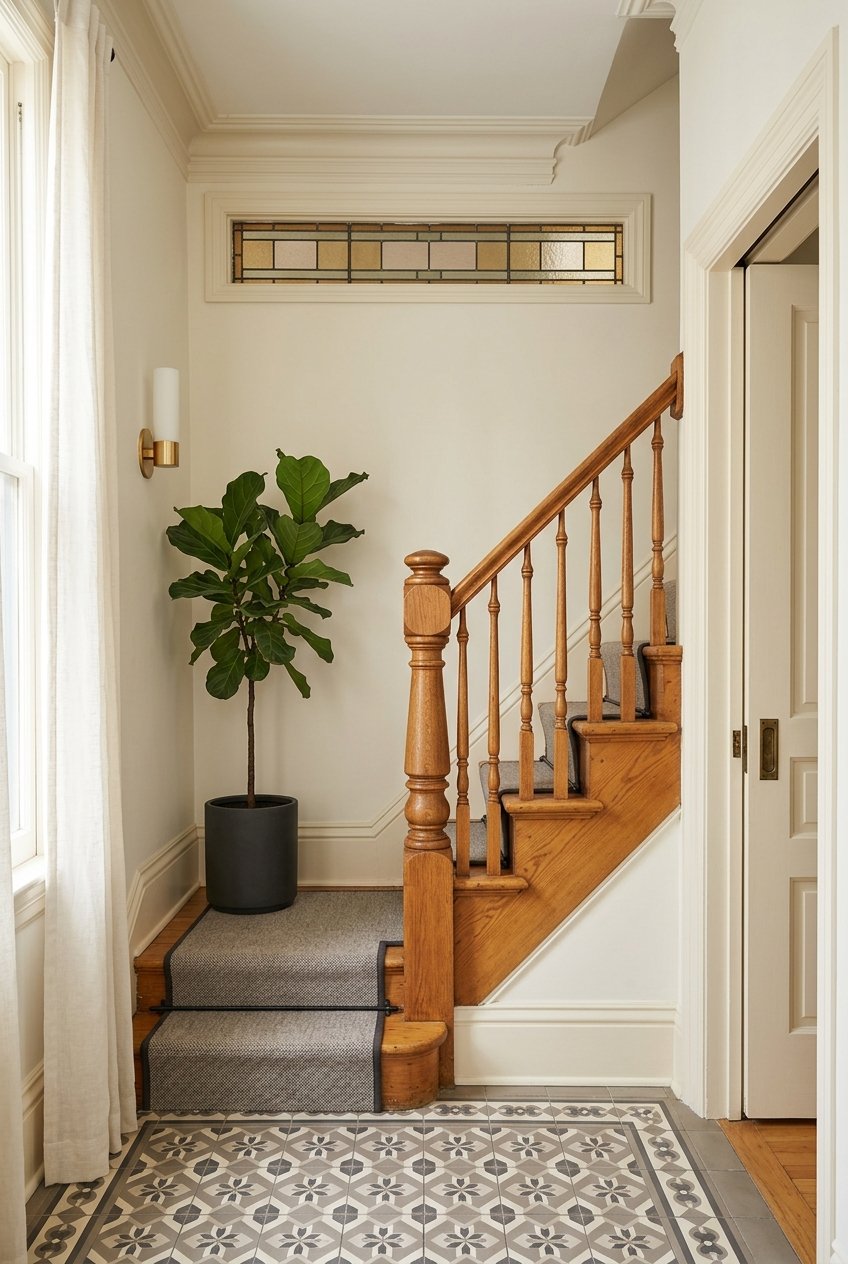
The city’s design guidelines for Old Louisville also highlight the features that give the neighborhood its character. You will often see brick, limestone, and terra cotta masonry, double-hung wood windows, prominent doors and porches, and varied rooflines with detailed dormers. If you are buying here, those details are not just attractive. They are often part of what makes the home historically significant.
Buying a historic home in Old Louisville is different from buying a newer property in other parts of Jefferson County. In a local preservation district, exterior changes generally require a Certificate of Appropriateness, and projects are reviewed under approved design guidelines based on the Secretary of the Interior’s Standards.
This matters because review is not limited to major remodels. According to Louisville’s standard design guidelines, exterior work involving windows, doors, roofing, porches, masonry, additions, garages, site work, and other visible elements may trigger preservation review. If you plan to change how a home looks from the street, it is smart to ask questions before closing.
That does not mean you cannot make updates. The city specifically notes that the guidelines set principles and standards for exterior alterations rather than dictating one exact style. A 2024 update also added categories for alternative materials and sustainability and energy efficiency, which may be helpful if you are balancing preservation with modern comfort.
In many historic homes, the biggest practical risks start with the building envelope. That is the roof, walls, windows, doors, and drainage systems that protect the home from water. According to the National Park Service, moisture problems in historic masonry often result from deferred maintenance like leaking roofs, clogged gutters, missing mortar, and cracks or open joints around windows and doors.
Louisville’s property maintenance code reinforces the same point. Homes must remain safe, weather-tight, and watertight, without roof leaks, deteriorated walls, or structurally inadequate foundations. For buyers, that makes your inspection strategy especially important.
Start at the top. The National Park Service guidance on moisture control recommends keeping the roof weather-tight and inspecting roofing regularly. In an older home, roof condition, flashing, gutters, and downspouts can directly affect masonry, trim, and even foundation moisture.
A beautiful facade can distract from hidden drainage problems. If water is not moving away from the house correctly, repair costs can spread from the roofline down to the basement.
Masonry is one of Old Louisville’s defining features, so its condition deserves close attention. The city’s Old Louisville guidelines treat masonry as a primary character feature, and the National Park Service warns that aggressive cleaning methods or waterproof coatings can damage historic masonry or trap moisture.
When you inspect, look for cracking, missing mortar, and signs of past repairs. A home may not need immediate major work, but understanding the condition of brick and mortar can help you budget realistically.
Historic windows, entry details, and porches often define the look of an Old Louisville property. They also affect comfort, maintenance, and future renovation options. The National Park Service’s guidance on evaluating windows notes that both significance and condition matter when deciding between repair and replacement.
For buyers, that means original features are not automatically a problem, but they do deserve informed review. You will want to know what is original, what has been altered, and what may need repair soon.
Older homes often have basement moisture issues, and historic masonry homes are no exception. The National Park Service explains that moisture can migrate into foundation walls, causing damp basements and deterioration in masonry and adjacent wood elements.
During showings and inspections, pay attention to musty odors, visible staining, and signs of water entry. Even if a basement is unfinished, moisture problems can affect the rest of the home over time.
For many buyers, health and safety questions matter just as much as structural ones. If you are considering a home built before 1978, the EPA says you should assume lead-based paint may be present or hire a certified inspector or risk assessor. The agency also estimates that 87% of homes built before 1940 contain some lead-based paint.
That is especially relevant in Old Louisville, where many homes date to the late 19th and early 20th centuries. If future renovations could disturb painted surfaces, make sure you understand the requirements for lead-safe work and confirm that you receive the required lead information before the sale.
Pests also deserve a close look. Extension guidance on subterranean termites identifies basement and cellar timbers, sill areas, window frames, and wood near soil as common trouble spots. It also notes that reducing soil moisture near the structure helps limit risk, which connects back to the bigger theme of drainage and water management.
Many buyers walk into a historic home and immediately start picturing updates. That is normal, but in Old Louisville, your renovation timeline may depend on local review. Exterior alterations generally require city approval through the preservation process, so it is wise to understand what is allowed before you finalize your wish list.
This is especially important for projects that affect curb-facing features like windows, porches, roofing, entryways, masonry, garages, and additions. The city’s guideline framework covers a broad range of exterior elements, so even smaller visible changes may not be as simple as calling a contractor.
If you are considering a major rehabilitation, ask early about potential tax credit options. The city notes that many Old Louisville properties are also in the National Register district, and Kentucky historic rehabilitation tax credit guidance says the application process has three parts and should begin as soon as project planning starts. Parts 1 and 2 should be approved before work begins.
One of the biggest mindset shifts with a historic home is understanding that ownership often means regular exterior maintenance. Based on the city code and preservation guidance in the research, the most likely reserve items include:
This is not a published cost sheet, but it is a practical way to think about ownership. In other words, the right question is not just, "Can I afford the purchase price?" It is also, "Can I comfortably maintain the home’s key systems and historic features over time?"
That kind of planning can make the experience far smoother. Historic homes can be deeply rewarding to own, but they usually benefit from a buyer who goes in with a clear inspection strategy, a realistic maintenance reserve, and the right professionals lined up from the start.
If you are serious about buying in Old Louisville, the best next step is coordination. The research points to a practical mix of professionals: a home inspector experienced with older masonry homes, a contractor who understands historic materials, and a tax professional if rehabilitation credits could apply.
Just as important, you want a real estate team that understands how neighborhood character, inspection findings, and renovation goals fit together. That can help you spot red flags early, ask better questions during due diligence, and move forward with more confidence.
Buying a historic home in Old Louisville can be an exciting move when you know what to look for. If you want guidance on homes in this part of Louisville and a clear plan for evaluating your options, connect with LOUISVILLE CITY REAL ESTATE, L.L.C.
When you work with The Sokolers, you’ll immediately understand why clients think of Greg and Casey as dedicated specialists who have mastered the skills needed for evaluating, marketing, and matching buyers and sellers.

10525 TIMBERWOOD CIR LOUISVILLE KY 40223