The Train Depot That Founded Anchorage Never Left. It Just Moved Up the Hill.
September 3, 2026
September 3, 2026
If you walk the loop through Anchorage Trail Park on a Saturday morning, you already know the rhythm. Runners circle the 2.1-mile path with earbuds in. Someone's golden retriever strains at a leash toward the bag station. A jogger nods at you the same way she did last week, because in a town this size you've probably nodded at her a dozen times before. Then the trail spits you out near Park Road, where you can stop for brunch at The Village Anchor.
There's an easy-to-miss detail behind those red velvet pancakes. The building holding your table is Anchorage's original 1900 railway depot, a landmark in a town that began as a stop on the Louisville and Frankfort Railroad. It didn't stay in its original spot. It was picked up, moved around the corner and up a hill, and rebuilt to house a restaurant. The depot that later served Anchorage is still standing. It just changed its job.
Anchorage exists because of a man named Edward D. Hobbs, president of the Louisville and Frankfort Railroad, who founded a station here around 1855. The settlement was known simply as Hobbs Station for its first two decades, its post office opening under that name in 1865. In 1872 the town took a new name, borrowed from the home of James W. Goslee, a retired riverboat captain. Anchorage incorporated as a city in 1878, and the post office kept the Hobbs Station name in official records until it closed for good in 1965.
That history usually gets summarized in a single sentence on a real estate flyer and forgotten. But the depot itself is a physical artifact, not a footnote. Built in 1900, the original Anchorage Railway Depot sits on the National Register of Historic Places. When local restaurateur Kevin Grangier and pizza executive John Schnatter, both Anchorage residents, decided to open a restaurant in town in 2010, they didn't build something new next to the old depot. They dismantled it, moved it up the hill, and rebuilt it on its current site at 11507 Park Road to house what became The Village Anchor Pub & Roost. The Sea Hag, the basement pub with the 30-foot copper bar, occupies what would have been the depot's lower level in its new footprint.
Here's what that means in plain terms: the building where you ordered a hot brown last month is not a themed restaurant designed to look historic. It is the actual depot, relocated and repurposed, still carrying the bones of the structure that served the town.
Anchorage keeps doing this. It doesn't demolish its history so much as it quietly repurposes it, and the evidence is easy to miss on a walk through town.
| What you see today | What it actually is |
|---|---|
| Village Anchor Pub & Roost and the Sea Hag pub, 11507 Park Road | The original 1900 Anchorage train depot, moved and rebuilt on its current site in 2010 |
| A grassy clearing off Osage Road with old stonework | The burned shell of Hobbs Memorial Chapel, the church destroyed by fire in 1954 and converted into a small public park |
The chapel ruin gets even less attention than the depot. What's left of Hobbs Memorial Chapel sits off Osage Road, close enough to the trail system that dog walkers pass it without realizing what they're looking at. The masonry that survived the 1954 fire wasn't enough to rebuild the church, so the land was donated to the city and turned into a park instead. A garden club still tends the grounds around the ruin. A small cemetery sits roughly 300 yards behind it, tucked between houses, easy to miss if you don't already know it's there.
Put the two together and you get the actual shape of Anchorage's history: a railroad depot that served the town, and a chapel that anchored its early religious life, both surviving not as museums but as repurposed structures hiding inside a park and a pub.
The Village Anchor isn't alone on that stretch of Park Road. Walk a few doors down and you'll pass TEN20 Craft Brewery at 11505 Park Road and an Edward Jones office at 11503. Around the corner on Evergreen Road sit the Salon at Anchorage and Whet Your Palette. None of these are chain storefronts dropped into a strip center. They occupy small, restored buildings in what's still called downtown Anchorage, a cluster small enough to walk end to end in under five minutes.
That density matters more than it looks like on paper. Anchorage's 2026 population sits at roughly 2,556 residents, up modestly from 2,500 at the 2020 census. In a town of that size, the depot-turned-restaurant is one example of the distinctive buildings that give downtown its character.
Mayor Neil Ramsey put it plainly on the city's own site, describing Anchorage as built around "a close-knit community built around the Commonwealth's top-rated primary and middle school." That's Anchorage Independent, the single K-8 public school that has anchored the town since 1911. Between the school, the depot-turned-restaurant, and the chapel-turned-park, Anchorage has spent a century and a half converting its landmarks rather than replacing them.
None of this changes what you do on a Saturday morning. You'll still walk the trail, still nod at the same joggers, still end up at the Village Anchor for coffee or brunch. But the next time you're sitting on that patio waiting for a table, it's worth remembering you're sitting inside a landmark from the town's railroad history. The depot that served Anchorage after the town was established didn't get torn down when the trains stopped running through it. It got picked up and given a second job.
That's a different kind of continuity than most Louisville suburbs can claim. Plenty of towns in this metro have historical markers and preserved facades. Fewer of them are still eating brunch inside the actual depot the town later repurposed, three blocks from a burned chapel that became a park and a school that's been running since before either building existed in its current form.
If you're already walking that loop most weekends, you already know Anchorage better than most people ever will. The history was part of the familiar places along the way.
If you ever want to talk about what a home in Anchorage is actually worth, or what it takes to buy into a town this small and this tightly held, the team at The Sokoler Team knows this market from the trail to the train depot. Request Your Free Home Valuation whenever you're ready.
When you work with The Sokolers, you’ll immediately understand why clients think of Greg and Casey as dedicated specialists who have mastered the skills needed for evaluating, marketing, and matching buyers and sellers.
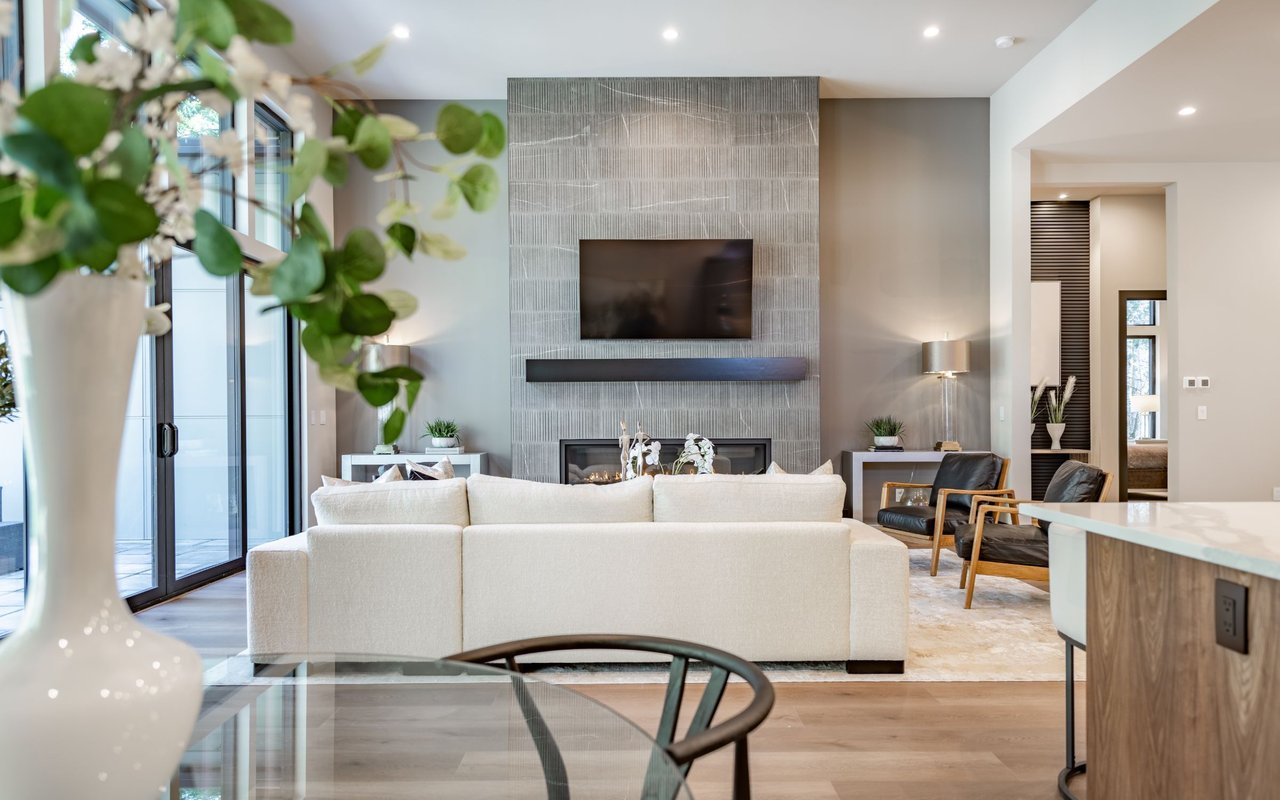
10525 TIMBERWOOD CIR LOUISVILLE KY 40223