St. Matthews Or Crescent Hill? Comparing Neighborhoods
May 7, 2026
May 7, 2026
Trying to choose between St. Matthews and Crescent Hill can feel harder than it should. Both are well-known Louisville-area neighborhoods, but they offer very different day-to-day experiences. If you are weighing convenience, home style, walkability, and how you want your routine to feel, this guide will help you compare the two with more clarity. Let’s dive in.
If you want the shortest version, St. Matthews feels more suburban and car-oriented, while Crescent Hill feels more historic and walkable. That contrast shows up in everything from housing stock to shopping patterns to how you move through the neighborhood each day.
St. Matthews is organized around Shelbyville Road retail centers and strong highway access. Crescent Hill is shaped more by Frankfort Avenue, smaller blocks, and a traditional neighborhood layout that supports walking, biking, and local errands closer to home.
In the broader St. Matthews corridor, much of the housing stock dates to the last 60 years. Postwar development helped shape the area into a collection of modern neighborhoods, and that history still shows in its midcentury suburban feel.
You will also notice a more self-contained city structure in St. Matthews. It has its own city hall, police department, public works, parks, and city-managed services, which adds to its independent suburban-city identity.
Commercial development is a major part of the landscape here. Retail strips, shopping centers, and later infill around commercial corridors help define the area, so the built environment often feels practical and convenience-driven.
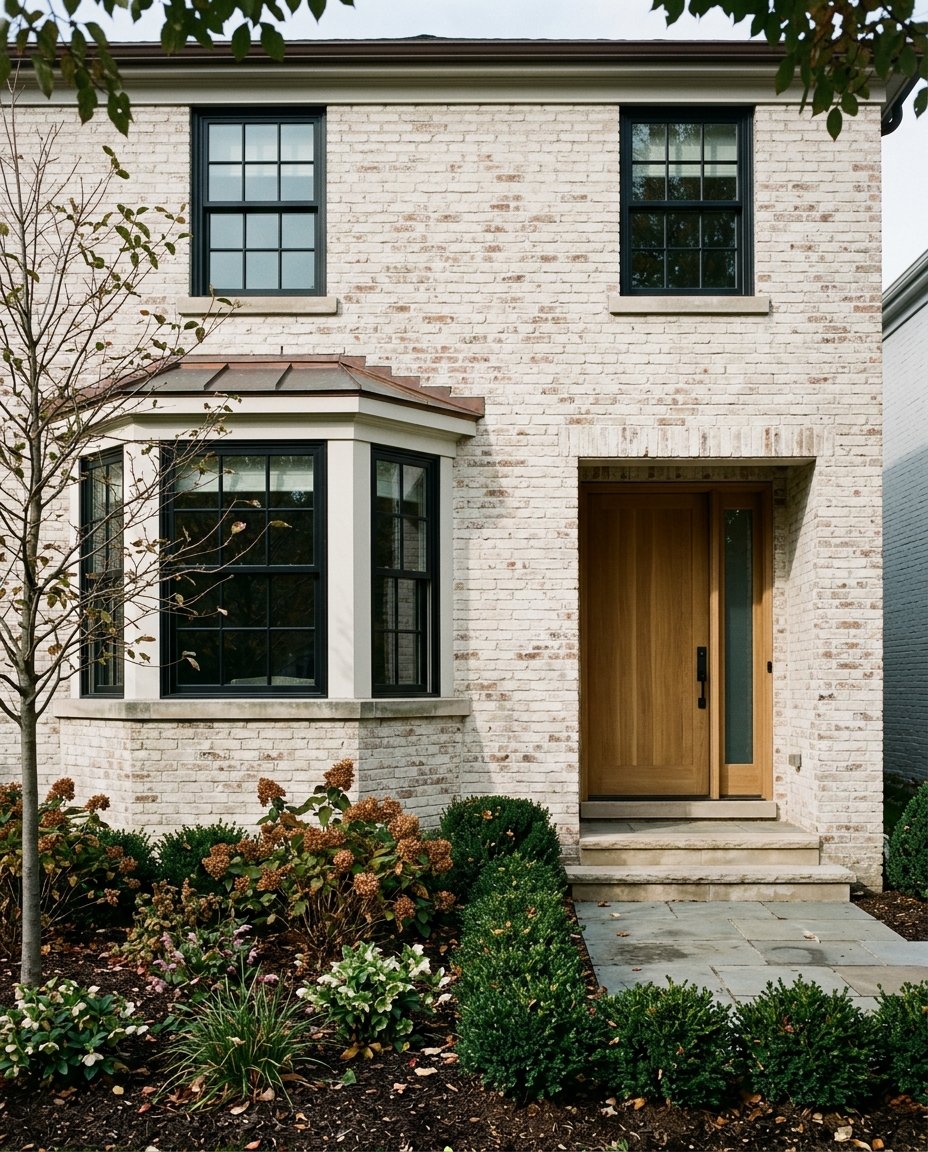
Crescent Hill has a noticeably older housing pattern. Louisville Metro planning documents describe it as a traditional neighborhood where lots tend to be smaller, parking is often on-street, alleys are common, and housing options vary in size and cost.
The neighborhood saw major growth between 1890 and 1920, and that history remains visible in the streetscape. You will find a mix of residential and commercial uses, tree-lined streets, and a neighborhood structure built for pedestrians as much as drivers.
Current land-use data for the Clifton-Crescent Hill area shows a mix that includes single-family, multi-family, and institutional uses. In Crescent Hill, multi-family housing is especially concentrated on the west side and eastern edge, which adds another layer of variety depending on the block.
If your routine depends on easy errands and a wide retail base, St. Matthews stands out. The city highlights major shopping areas including Shelbyville Road Plaza, Bluegrass Manor, Mall St. Matthews, the Dutchman’s Lane and Breckinridge Lane area, the Lexington Road and Frankfort Avenue corridor, and Chenoweth Lane shopping.
Mall St. Matthews is located just off I-264, and TARC buses stop directly in front of it. For many buyers, that combination of established retail and road access is a major advantage.
St. Matthews also offers neighborhood-scale green space. Community Park, Warwick Park, and Brown Park are part of the local park system, and the St. Matthews Farmers Market adds another recurring community amenity.
Crescent Hill’s appeal is less about large retail centers and more about a walkable corridor with recognizable local landmarks. Frankfort Avenue plays a central role in the neighborhood’s rhythm, with day-to-day activity concentrated along that spine.
Crescent Hill Park is one of the area’s most notable amenities at 77 acres. It includes golf, pickleball, tennis, swimming, a sprayground, a playground, picnic space, and WiFi, giving residents a broad mix of outdoor and recreation options.
The neighborhood also has a strong public-realm identity. The Crescent Hill Library, the restored reservoir and gatehouse, and recurring events like the FAT Friday Trolley Hop all help create a sense of place that feels tied to the street and the community around it.
St. Matthews has the strongest highway access of the two. City information references both I-264 and I-64, and major roads include Shelbyville Road, Breckenridge Lane, Chenoweth Lane, Dutchman’s Lane, Westport Road, and Browns Lane.
If you want quicker regional driving access, that matters. Buyers who prefer easy parking, simpler car trips, and fast connections to retail and other parts of Louisville often find St. Matthews easier to navigate for that reason.
Crescent Hill supports a more walk-and-bike-oriented internal routine. Louisville Metro’s current area planning focuses on sidewalk gaps, traffic calming, and expanded bike lanes along Brownsboro Road, Frankfort Avenue, Payne Street, and nearby connectors.
That planning direction reflects how the area already functions. Compared with St. Matthews, Crescent Hill is more aligned with shorter car trips and a slower, more multimodal neighborhood experience.
TARC serves both St. Matthews and Crescent Hill through Routes 19, 21, and 31. Service frequency varies, with peak spans of roughly 15 to 20 minutes, 35 minutes, and 45 minutes depending on the route.
That means transit is available in both neighborhoods, but neither reads as transit-first. In practical terms, the bigger difference is still whether you want a more suburban service pattern or a more traditional in-town street network.
When buyers compare St. Matthews and Crescent Hill, the most helpful question is often this: Do you want suburban convenience or a more traditional walkable neighborhood feel? That answer usually points you in the right direction faster than comparing square footage or commute times alone.
St. Matthews tends to fit buyers who want a practical, convenience-first routine anchored by shopping, road access, and neighborhoods built largely in the postwar era. Crescent Hill tends to fit buyers who want older homes, a stronger sense of historic character, and a daily pattern centered more on streets, parks, and local destinations.
Neither choice is one-size-fits-all. The right fit depends on how you want to live, move, and spend your time once you are home.
If you are comparing neighborhoods in Louisville and want local guidance that is clear, responsive, and tailored to your goals, connect with LOUISVILLE CITY REAL ESTATE, L.L.C. The right neighborhood choice starts with the right local insight.
When you work with The Sokolers, you’ll immediately understand why clients think of Greg and Casey as dedicated specialists who have mastered the skills needed for evaluating, marketing, and matching buyers and sellers.
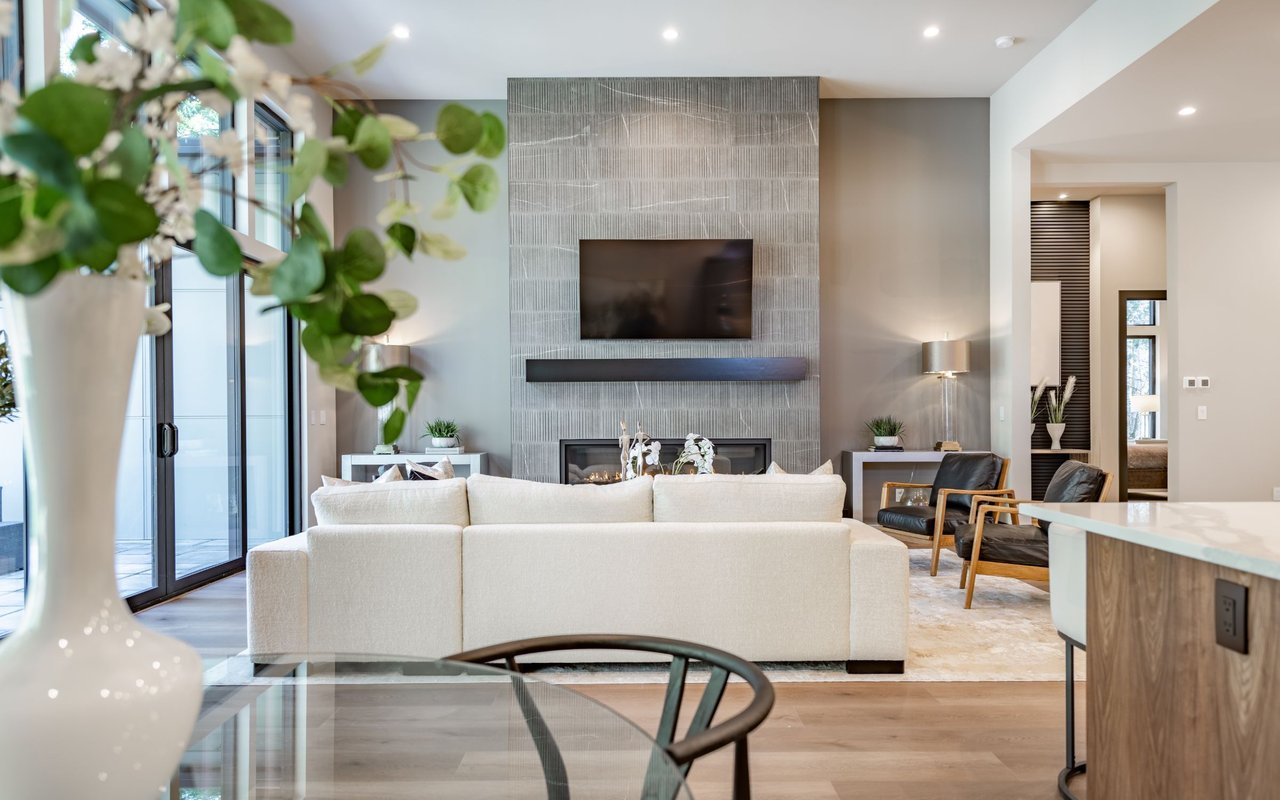
10525 TIMBERWOOD CIR LOUISVILLE KY 40223